Common Ground: Art, Nature, and People

Free

Common Ground: Art, Nature, and People

Overview

The NCMA connects art, nature, and people through art in the Park, nature in the galleries, and community-centered programming on its campuses and beyond. What does the intersection of art, nature, and people look like in your life? College students share their answers to this question in the exhibition.

Inspired by Nancy Baker Cahill: Ecologies of Scale (on view at the NCMA September 26, 2026–January 31, 2027), Common Ground explores themes of connection to nature, environmental justice, and human well-being through multidisciplinary expression. Paintings, prints, mixed media, video, and sculpture come together to examine our common ground.

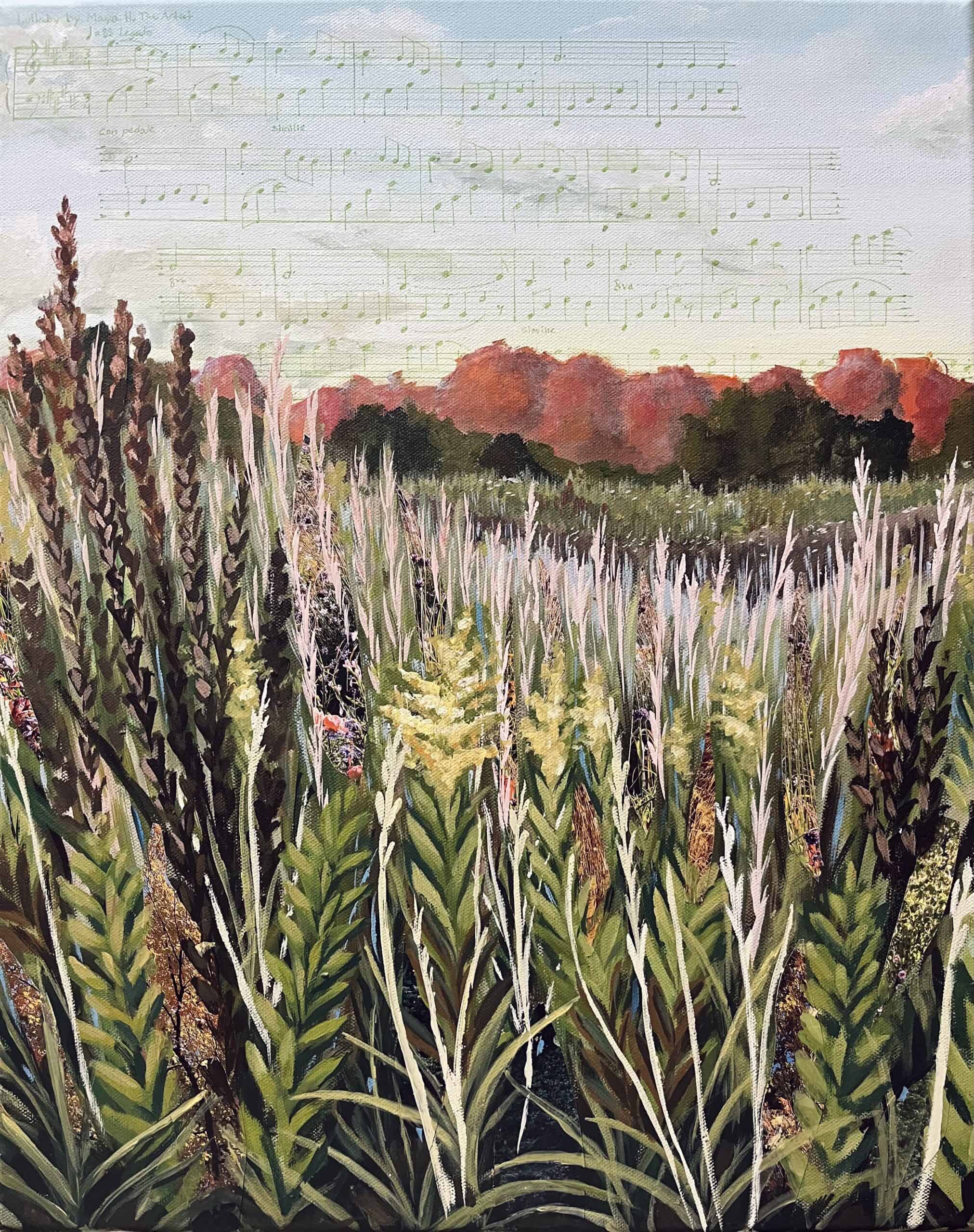
Image: Maya Hutagalung (University of North Carolina at Charlotte ), An Ode to Grasslands, acrylic, pen, and collage, Courtesy of the artist
Basquiat × Banksy

Free

Basquiat × Banksy

Overview

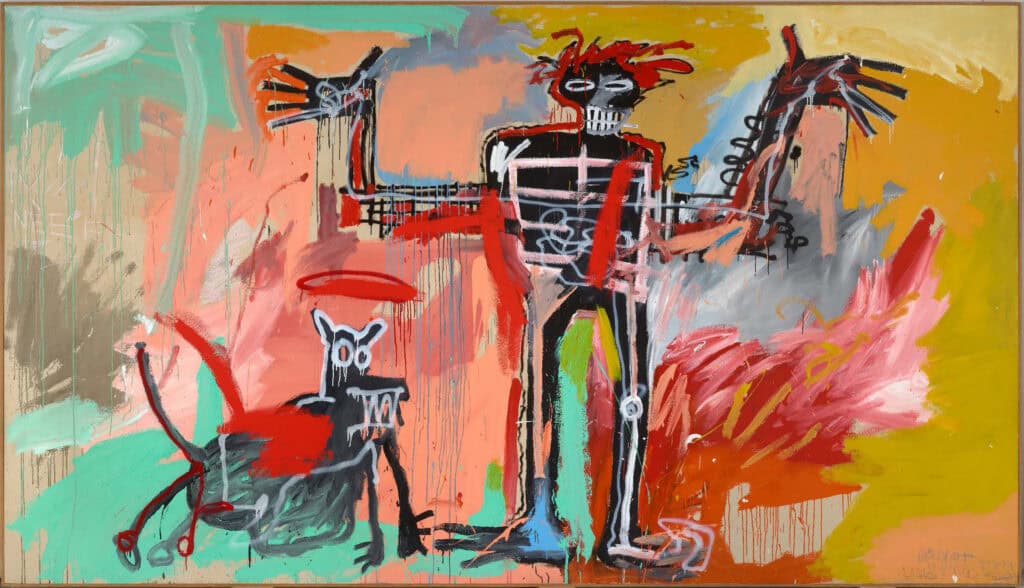
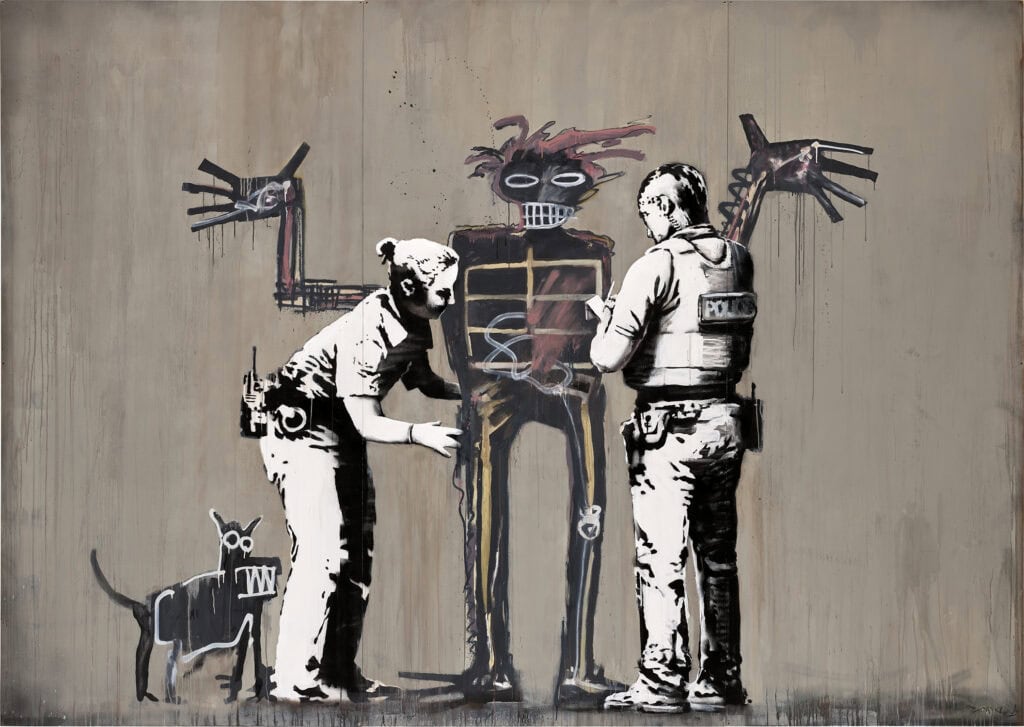
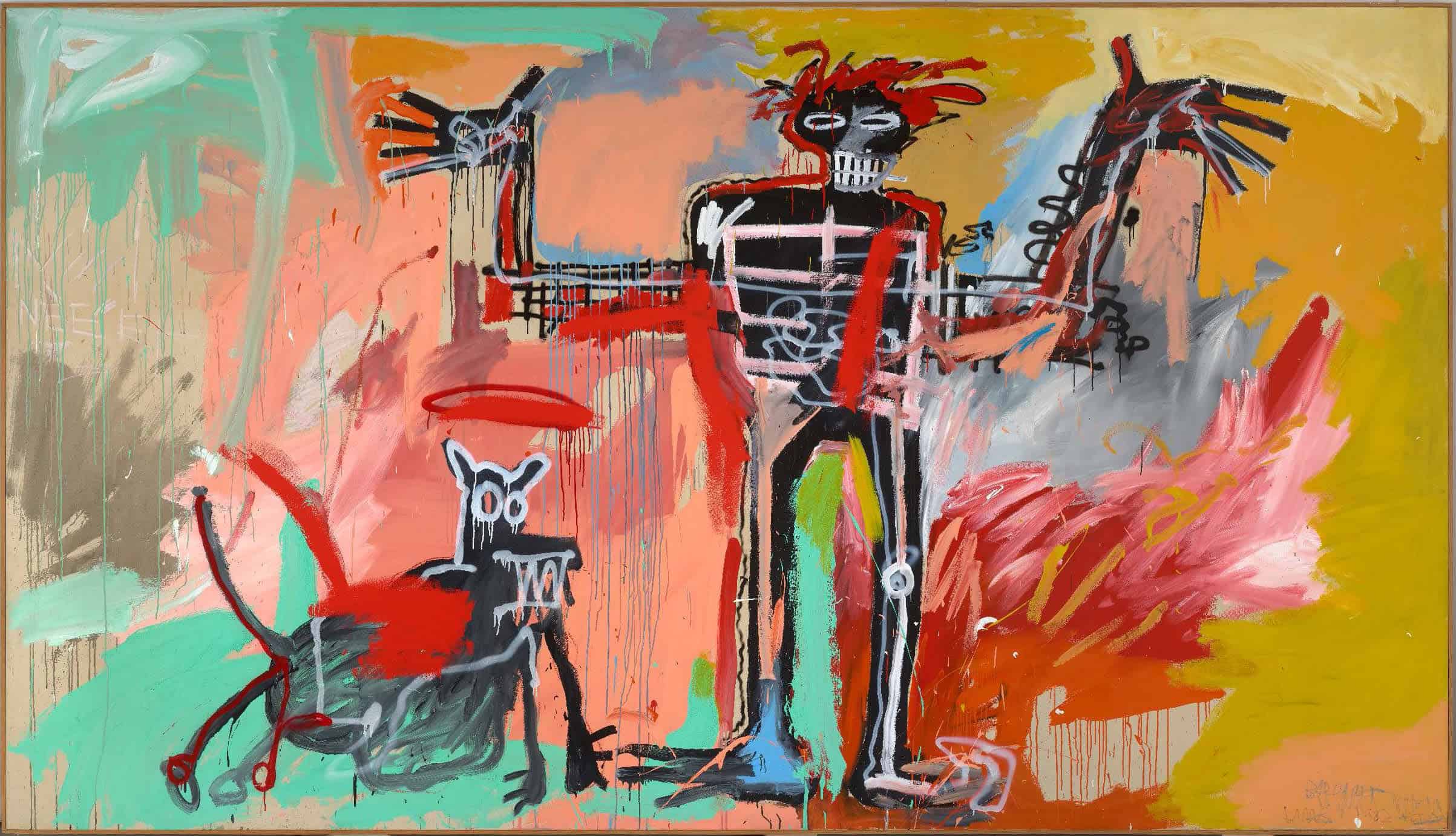
Featuring two major contemporary paintings, this landmark presentation pairs Jean-Michel Basquiat’s Boy and Dog in a Johnnypump (1982) with Banksy’s response, Banksquiat. Boy and Dog in Stop and Search (2018). Placed in dialogue, the two monumental works reveal connections among street art, contemporary art, and popular imagination.

Basquiat × Banksy marks the first time Banksy’s work has been exhibited at the NCMA and only the second time artwork by Basquiat has traveled to the Museum since the 2011 exhibition 30 Americans. The exhibition originated at the Smithsonian’s Hirshhorn Museum and Sculpture Garden in Washington, DC. It was organized by Hirshhorn Associate Curator Betsy Johnson.


Artists

A large grinning, skeletal figure of a boy, with both arms raised and oversized hands splayed, stands to the right of a black dog whose eyes, ears, and teeth are outlined in white spray paint. Some of the bold red, pink, gray, ochre, and green splashes that surround the figures drip down the canvas.

Basquiat is one of the best-known artists of his generation and is widely considered one of the most important artists of the 20th century. His career in art spanned the late 1970s through the 1980s until his death in 1988, at the age of 27. Basquiat works are edgy and raw, and through a bold sense of color and composition, he maintains a fine balance between seemingly contradictory forces such as control and spontaneity, menace and wit, urban imagery, and primitivism.

Against a dull gray backdrop, a grimacing, skeletal figure of a boy with raised, oversized hands stands to the right of a black dog whose eyes, ears, and teeth are outlined in white spray paint. Depicted in gray scale, a cop pats down the boy as another cop writes up a ticket.

Banksy, arguably the most famous street artist working today, has managed to conceal his identity despite widespread speculation. His first identifiable artworks appeared on trains and buildings around Bristol, England, in the early 1990s. Early in his career, he developed his signature style, a mostly monochromatic stencil technique adopted partly for speed of execution and partly in homage to French artist Blek le Rat (aka Xavier Prou), who pioneered stencil-based graffiti works in Paris in the 1980s.

Details

 Jean-Michel Basquiat, born Brooklyn, New York (1960–1988), Boy and Dog in a Johnnypump, 1982, acrylic, crayon, and spray paint on canvas, 96 × 164 in., Private collection, © Estate of Jean-Michel Basquiat. Licensed by Artestar, New York; Image courtesy of the Hirshhorn Museum and Sculpture Garden, Smithsonian, Washington, DC

Banksy, born near Bristol, London, Banksquiat. Boy and Dog in Stop and Search, 2018, acrylic and wax marker on birch wood, 96 × 135 5/8 in., Private collection; Courtesy of Pest Control, Image courtesy of the Hirshhorn Museum and Sculpture Garden, Smithsonian, Washington, DC

The Museum seeks to make a safe and welcoming space for all. We work consistently with local partners to gather information on accessibility needs, provide staff training, and increase accommodations during exhibitions and events.

Members enjoy free tickets to ticketed exhibitions every day, annual guest passes to share the Museum with friends, presale access to programs, and additional events designed to deepen your experience with the Museum you love. Be sure to log in to your member account to access exclusive programs and receive discounts on the tickets in your cart before checkout.

Exhibition Sponsors

Related Events

NCMA Outreach: The Artist Innovation Mentorship Program

Free

NCMA Outreach: The Artist Innovation Mentorship Program

Overview

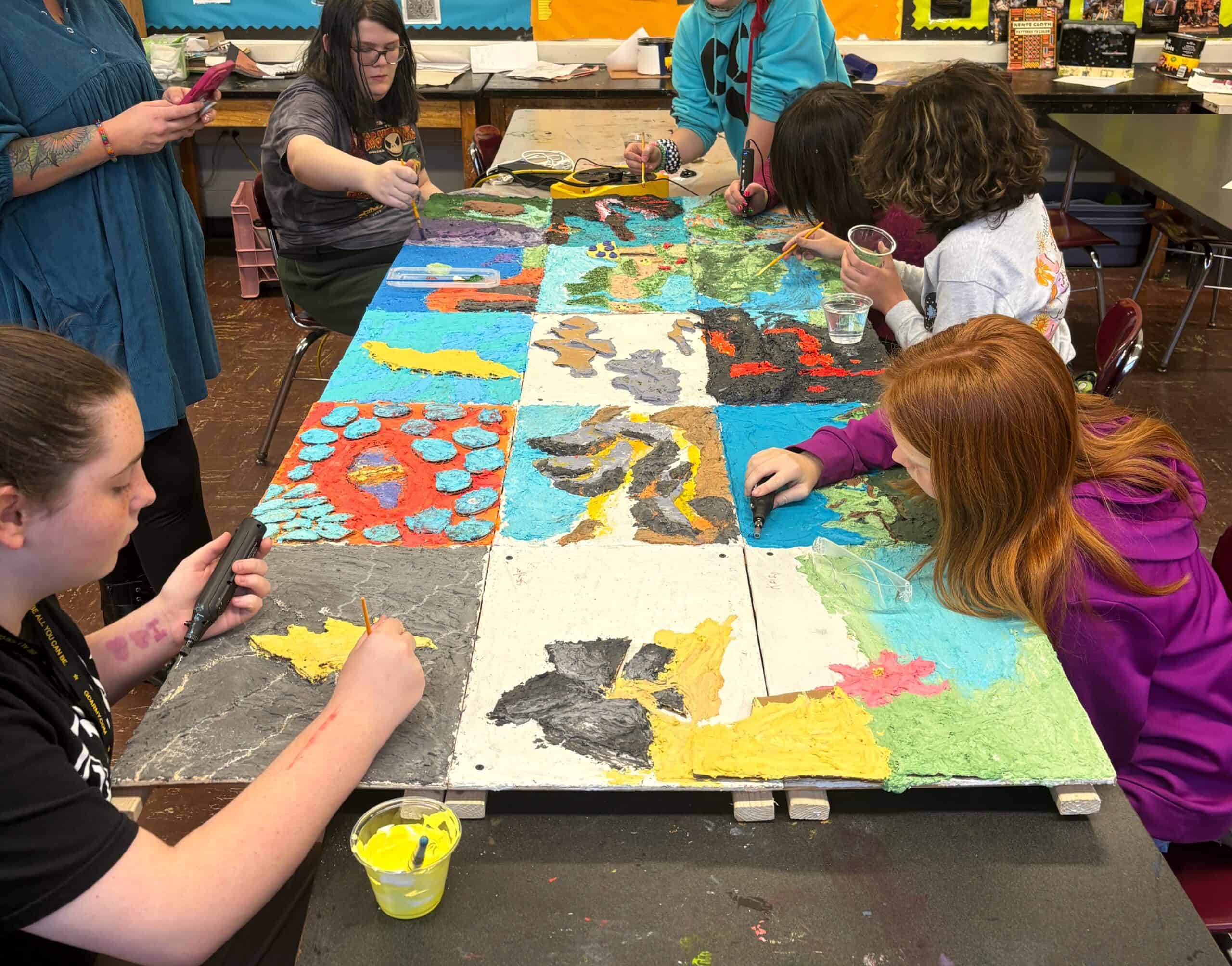
Experience original artworks by middle school–aged students from across North Carolina in this exhibition that celebrates their creative processes. These young artists from 15 counties participated in 40 residencies of the Artist Innovation Mentorship Program (AIM), the NCMA’s signature statewide outreach program.

The outreach programs of the North Carolina Museum of Art foster the learning that happens when artists work directly with young people. NCMA AIM provides funding and organizational support for creative after-school workshops for middle school–age youth in rural communities statewide. Young artists learn new techniques and flex their creative problem-solving skills as they work with artists in their own communities.

Since AIM’s inception in fall 2021, 89 regional artists have provided a total of 42,606 hours of arts-based learning experiences to 2,367 youth. The program has supported over 175 residencies in 36 counties, with residencies impacting over 16,000 community members through related exhibitions, festivals, and events statewide.

Exhibition Sponsors

Pilot funding was provided by the Anonymous Trust and the North Carolina Department of Natural and Cultural Resources, with additional generous support from First Citizens Bank, William R. Kenan, Jr. Charitable Trust, the SECU Foundation, and Oak Foundation.

Seeing Red

Free

Seeing Red

Overview

Red is arguably the most important color to human beings. Since ancient times red has colored our strongest emotions, warned of danger, distinguished our leaders, glorified our religious images, and underscored our life and death. For many, red was divine, a direct connection to gods and the supernatural.

Today red seems much less important to us. Dimmed by time and technology, the color is something we hardly pay attention to. Seeing Red focuses on our long relationship with red and the dyes and pigments that humanity has developed to express ourselves. To represent a color that held such deep meaning, red dyes and pigments have nearly always depended on scarce materials and advanced technology, often resulting in rare and expensive products reserved for high-status use. The study of red substances in artwork can provide insight into artists’ works, giving us technological, cultural, and art historical information that we may not discover in any other way.

Exhibition Sponsors

Organized by the North Carolina Museum of Art. This exhibition is made possible, in part, by the North Carolina Department of Natural and Cultural Resources; the North Carolina Museum of Art Foundation, Inc.; and the William R. Kenan Jr. Endowment for Educational Exhibitions. Research for this exhibition was made possible by Ann and Jim Goodnight/The Andrew W. Mellon Foundation Fund for Curatorial and Conservation Research and Travel.

Partial Figure

Free

Partial Figure

Overview

Partial Figure focuses on works from the NCMA collection to demonstrate artists’ enduring fascination with the emotions and ambiguities that the human figure can evoke. This sense of intrigue and emotional resonance is often amplified when the human figure is only revealed in part. Partial Figure examines what the artists have chosen to reveal as well as what they omit.

Objects selected from across the NCMA collection explore multiple mediums and artistic styles, including influential sculptural examples from ancient Greece and 19th-century French artist Auguste Rodin, works on paper by Edgar Degas and Pablo Picasso, and photographs by Eudora Welty, Joyce Tenneson, Barbara Morgan, and others.


Highlights

Artworks for this exhibition are curated from the North Carolina Museum of Art’s permanent People’s Collection

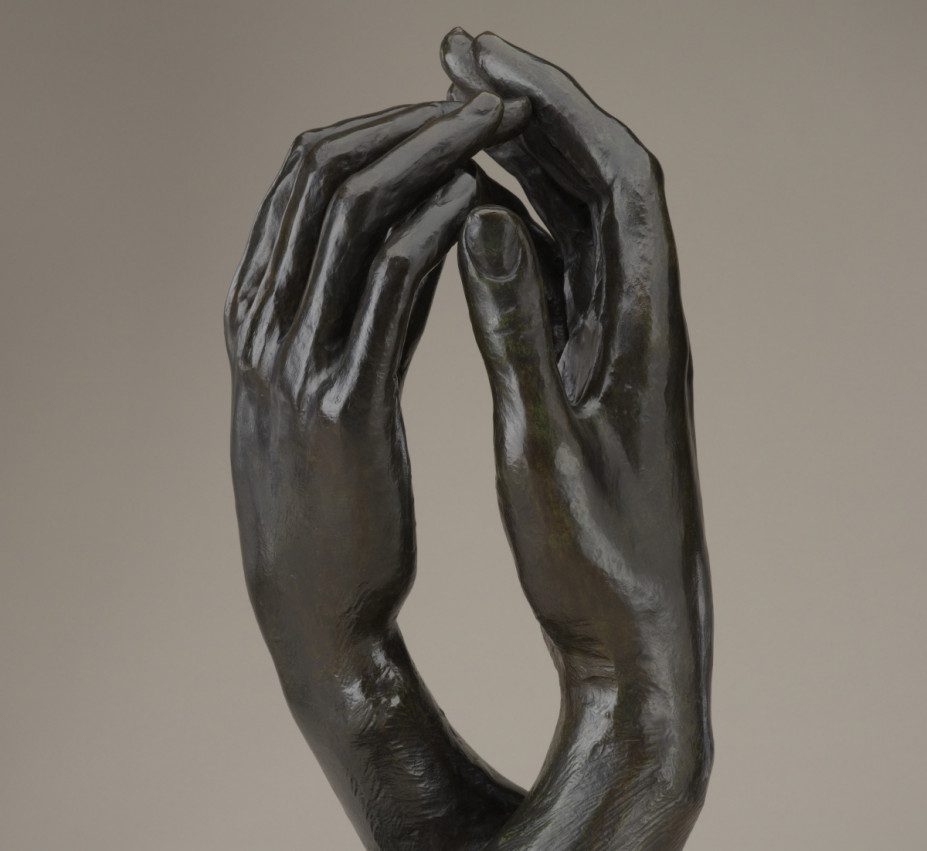
Bronze sculpture of two right hands facing each other with fingertips touching.

August Rodin


The Cathedral, Bronze, Modeled 1908, Musée Rodin cast 1955, Gift of the Iris and B. Gerald Cantor Foundation. 

Alex Harris


Havana, Cuba, October 2003, Pigmented inkjet paper, 2003; printed 2005, Purchased with funds from the William R. Roberson Jr. and Frances M. Roberson Endowed Fund for North Carolina Art, and partial gift of the artist.

Le Repos du sculpteur et le modele au masque

Pablo Picasso


Le Repos du sculpteur et le modele au masque, Etching on paper, 1933, Museum Purchase Fund.


Exhibition Sponsors

Organized by the North Carolina Museum of Art. This exhibition is made possible, in part, by the North Carolina Department of Natural and Cultural Resources; the North Carolina Museum of Art Foundation, Inc.; and the William R. Kenan Jr. Endowment for Educational Exhibitions. Research for this exhibition was made possible by Ann and Jim Goodnight/The Andrew W. Mellon Foundation Fund for Curatorial and Conservation Research and Travel.

Details

The Museum seeks to make a safe and welcoming space for all. We work consistently with local partners to gather information on accessibility needs, provide staff training, and increase accommodations during exhibitions and events.

Want to explore the NCMA’s collection or a special exhibition with friends, family, or colleagues under the guidance of a volunteer guide? A 50-minute tour, available in person or virtually, may be just what you’re looking for. 

Enhance your exhibition experience with special events and free tickets. 

The Creative Lives of Educators

Free

The Creative Lives of Educators

Overview

How do educators make space for creative practices in their life outside of teaching? How are teachers inspired and supported by their experiences with the NCMA?

In its mission to be a vital cultural resource to all, the North Carolina Museum of Art celebrates the creative lives of K–12 schoolteachers. North Carolina educators of all disciplines were invited to submit original artwork and artist statements reflecting on their creative practices and experiences with the NCMA to be considered for this exhibition. Their art and statements show the creative versatility and thoughtfulness of the teachers working in our state. The NCMA is proud to support their work


Exhibition Sponsors

Organized by the North Carolina Museum of Art.

Details

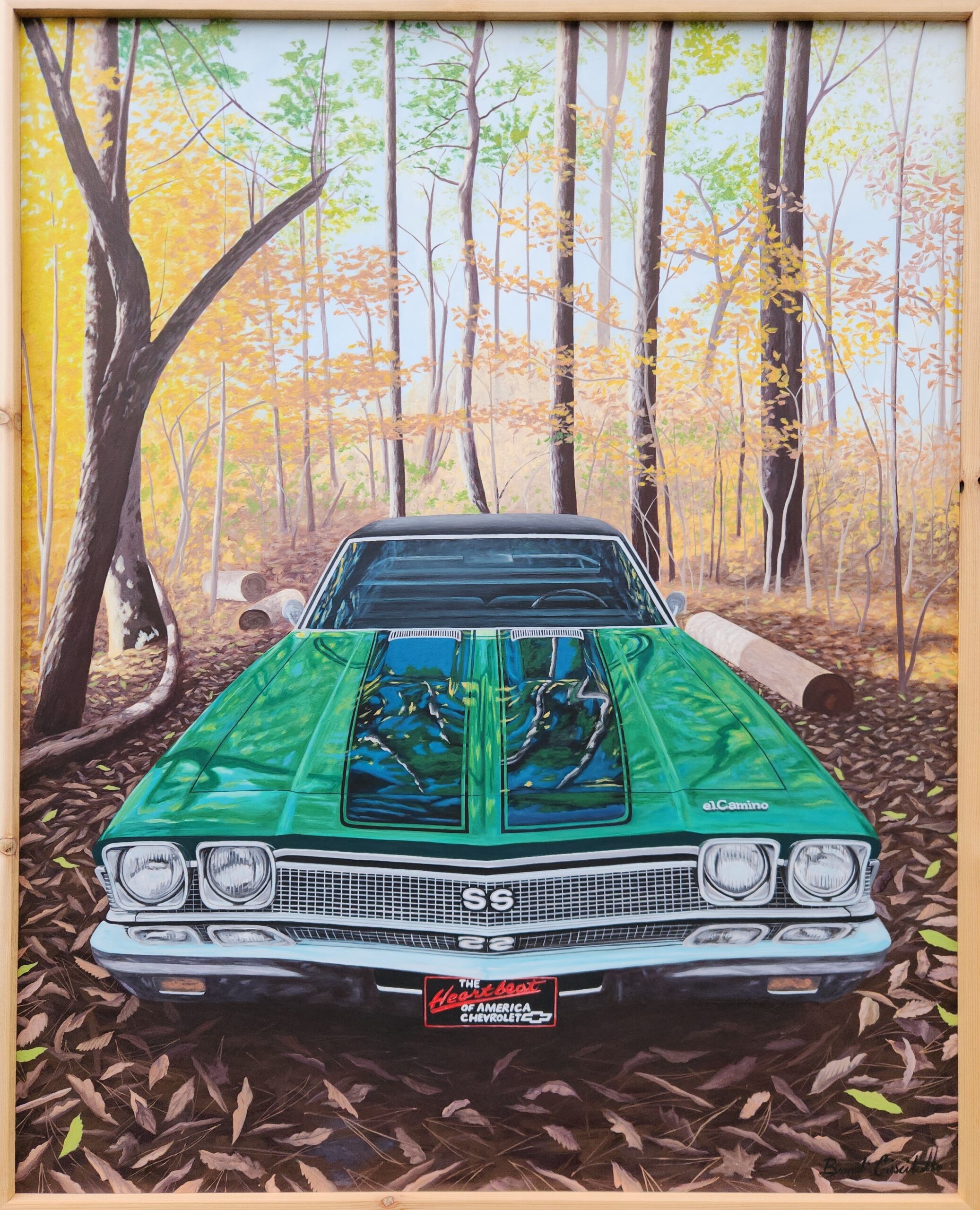
Brandi Criscitiello, “The Heartbeat of America” 1968 El Camino, acrylic on wood with cedar frame; Courtesy of the artist

  • Amanda Aguayo, Gravelly Hill Middle School, Orange County
  • Jodi Aker, Broughton High School, Wake County
  • Diane Birken, Owen High School, Buncombe County
  • Brandi Criscitiello, White Oak High School, Onslow County
  • José Manuel Cruz, James E Shepard IB Middle School, Durham County
  • Pamela Darrow, Eastern Wayne Elementary School, Wayne County
  • Joshua Davis, Millbrook High School, Wake County
  • Sharon Durr-Anayiotos, River Dell Elementary School, Johnston County
  • Elizabeth Hatch, Blue Ridge Elementary School, Ashe County
  • Marla Dobbs Hawkins, Hillside High School, Durham County
  • Sarah Whitney Howes, The Fletcher Academy, Wake County
  • Erica Kendrick, C. E. Jordan High School, Durham County
  • Jamie Lathan, North Carolina School of Science and Mathematics, Durham County
  • Aurelis Lugo, Herbert Akins Road Middle School, Wake County
  • Stephen Lursen, Lakeshore Middle School, Iredell-Statesville Schools
  • Val martinez, Durham School of the Arts, Durham County
  • Jessica Masone, Union Preparatory Academy at Indian Trail, Union County
  • Quintin Neal, Bugg Elementary School, Wake County
  • Kara O’Dor, C&L McDougle Middle School, Orange County
  • Melissa Purtee, Apex High School, Wake County
  • Scott Renk, Mary Phillips High School, Wake County
  • Eric Rice, Cresset Christian Academy, Durham County
  • Julie Russo, Sanderson High School, Wake County
  • Emily Singleton, Newland Elementary and Crossnore Elementary Schools, Avery County
  • Kimberly Sudkamp, Apex High School, Wake County
  • Christine Szafranski, West Iredell High School, Iredell-Statesville Schools
  • Renee Tripp, Richlands High School, Onslow County
  • Dawn Valentino, Wakefield High School, Wake County
  • Janice Withers, Apex Friendship Middle School, Wake County

The Museum seeks to make a safe and welcoming space for all. We work consistently with local partners to gather information on accessibility needs, provide staff training, and increase accommodations during exhibitions and events.

Enhance your exhibition experience with special events and free tickets.